Phoenix Housing Market 2026: Buyer's Guide
Real Estate, Phoenix Housing Market, Home Buying Tips
Phoenix Housing Market Trends 2026: A Buyer’s Guide for Today’s Conditions
The Phoenix, Arizona housing market in 2026 looks very different from the frenzied days of bidding wars and double‑digit price jumps. Prices have cooled slightly, inventory is up, and buyers—especially first‑timers—finally have room to breathe, negotiate, and plan strategically.
Phoenix Housing Market 2026: Cooling, Not Crashing
Data from major housing platforms shows Phoenix transitioning into a more balanced, fundamentals‑driven market. Zillow reports a typical home value around $403,800 as of early 2026, down about 3.7% year over year, while Redfin and Realtor.com place median sale prices in the mid‑$400,000s to high‑$400,000s range. Homes are taking longer to sell—roughly 53–62 days on market—while active listings have climbed above 7,000, according to Realtor.com and PropertyIQ.
Instead of runaway appreciation, analysts describe Phoenix in 2026 as slow and stable. Price cuts are more common, negotiations are back, and experts such as The Ulery Group and Hoffer Group expect modest price growth of roughly 2%–4% through late 2026, not a boom or a bust.
Average Home Prices in Phoenix: What Buyers Can Expect to Pay
Because different platforms track slightly different metrics, it helps to think in ranges rather than a single number. Recent 2026 snapshots show:
Zillow average value: About $403,800 across all property types.
Median sale prices: Generally between $450,000 and $480,000 (Redfin, Homes.com, Phoenix REALTORS®, ClearlySold).
Median listing price: Around $485,000, per Realtor.com—typically higher than final sale prices after negotiation.
For first‑time buyers, this usually means entry‑level single‑family homes and townhomes in emerging areas of the East Valley and West Valley—such as Buckeye, Queen Creek, Surprise, and parts of Pinal County—can still be found in the low‑to‑mid $400,000s, with condos and smaller homes sometimes dipping below that threshold.

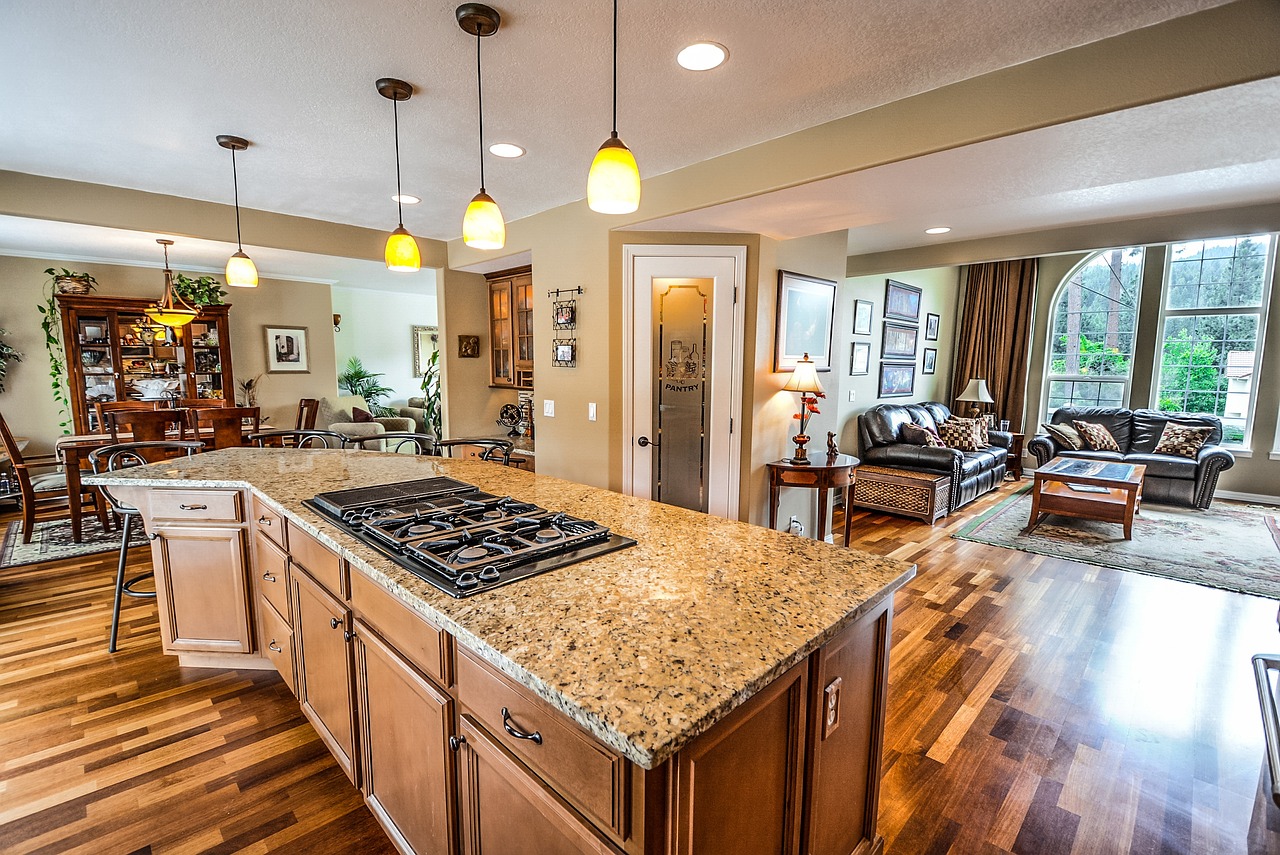
Thoughtful staging and pricing help Phoenix homes stand out in a cooler 2026 market.
How 2026 Mortgage Rates Are Shaping Buyer Power
After the sharp rate jumps of 2022–2023, mortgage rates in 2026 are easing but still higher than the ultra‑low levels of the past decade. Forecasts from local experts suggest rates could trend into the high‑5% to low‑6% range by late 2026, which has several implications for Phoenix buyers:
Monthly payments matter more than price alone. A slightly higher purchase price with a lower rate may cost less per month than a cheaper home at a higher rate.
Buyer leverage has increased. With homes taking 50–60+ days to sell and more than a quarter of listings seeing price cuts, buyers can negotiate closing costs, repairs, or rate buydowns with motivated sellers.
“Date the rate, marry the house.” Many buyers are choosing homes they can afford today, with the option to refinance later if rates drop further—rather than waiting and risking both higher prices and renewed competition.
💡 Pro Tip: Ask your lender for a detailed comparison of monthly payments at different rates and price points. Seeing the numbers side‑by‑side can clarify whether it’s smarter to negotiate a lower price or a seller‑paid rate buydown.
Tips for First‑Time Home Buyers in Phoenix in 2026
With more inventory and less pressure to rush, 2026 is a more welcoming environment for first‑time buyers—but strategy still matters. Consider these practical steps:
Get pre‑approved before you shop. In a “warm” market, sellers still prefer buyers who can show strong financing. A full pre‑approval (not just pre‑qualification) clarifies your budget and strengthens your offers.
Target neighborhoods with new construction and growing inventory. Areas like Buckeye, Queen Creek, and parts of the West Valley often offer more options, builder incentives, and slightly better affordability than central Phoenix or established suburbs.
Factor in utilities and maintenance. Phoenix’s desert climate means higher summer cooling costs. Look for energy‑efficient homes, quality insulation, and modern HVAC systems to keep long‑term expenses in check.
Use longer days on market to your advantage. When a home has been listed for 30–60 days or more, you may be able to negotiate below asking price, request repairs, or secure seller credits toward closing costs or a rate buydown.
Think beyond year one. Choose a home that fits your likely 5‑ to 7‑year plan—consider remote‑work space, proximity to job centers, and access to freeways, light rail, or future growth corridors.
📌 Key Takeaway: First‑time buyers in Phoenix no longer need to waive inspections or bid far over asking. Patience, preparation, and smart negotiation can make 2026 a favorable time to buy.
Why Phoenix Remains a Strong Long‑Term Housing Market
Despite the current cooling and price adjustments, Phoenix continues to stand out nationally for its long‑term fundamentals. Several forces support its resilience:
Population growth: Maricopa County consistently ranks among the fastest‑growing in the U.S., driven by both domestic migration and international arrivals seeking a lower cost of living and abundant sunshine.
Diverse job base: Expansion in manufacturing, logistics, healthcare, and tech has strengthened local employment. NewHomeSource and other analysts highlight high‑income job growth of around 2%, supporting housing demand even as rates fluctuate.
Relative affordability: Compared with coastal metros, Phoenix still offers more home for the money, especially in outlying suburbs and new‑build communities with energy‑efficient designs and smart‑home features.
Structural housing demand: Remote and hybrid workers continue to favor homes with office space, outdoor living areas, and community amenities—features that many Phoenix neighborhoods and master‑planned communities provide.
PropertyIQ’s market score of 45/100 reflects a correction in progress, not a collapse. As the market shifts from hype‑driven bidding wars to more rational pricing, buyers gain opportunities while long‑term owners still benefit from solid demographic and economic tailwinds.
Is 2026 a Good Time to Buy in Phoenix?
For buyers who are financially prepared and planning to stay put for several years, the answer is increasingly yes. Prices have softened slightly from their peak, inventory is healthier, and mortgage rates are expected to gradually ease rather than spike. That combination creates a window where you can shop carefully, negotiate confidently, and still tap into Phoenix’s long‑term growth story.
By understanding current price ranges, watching mortgage rate trends, and following smart first‑time buyer strategies, you can turn 2026’s “slow and stable” Phoenix market into an opportunity to secure a home that fits both your budget and your future.
